
Independent slip resistance testing across Ireland
Pendulum slip resistance testing
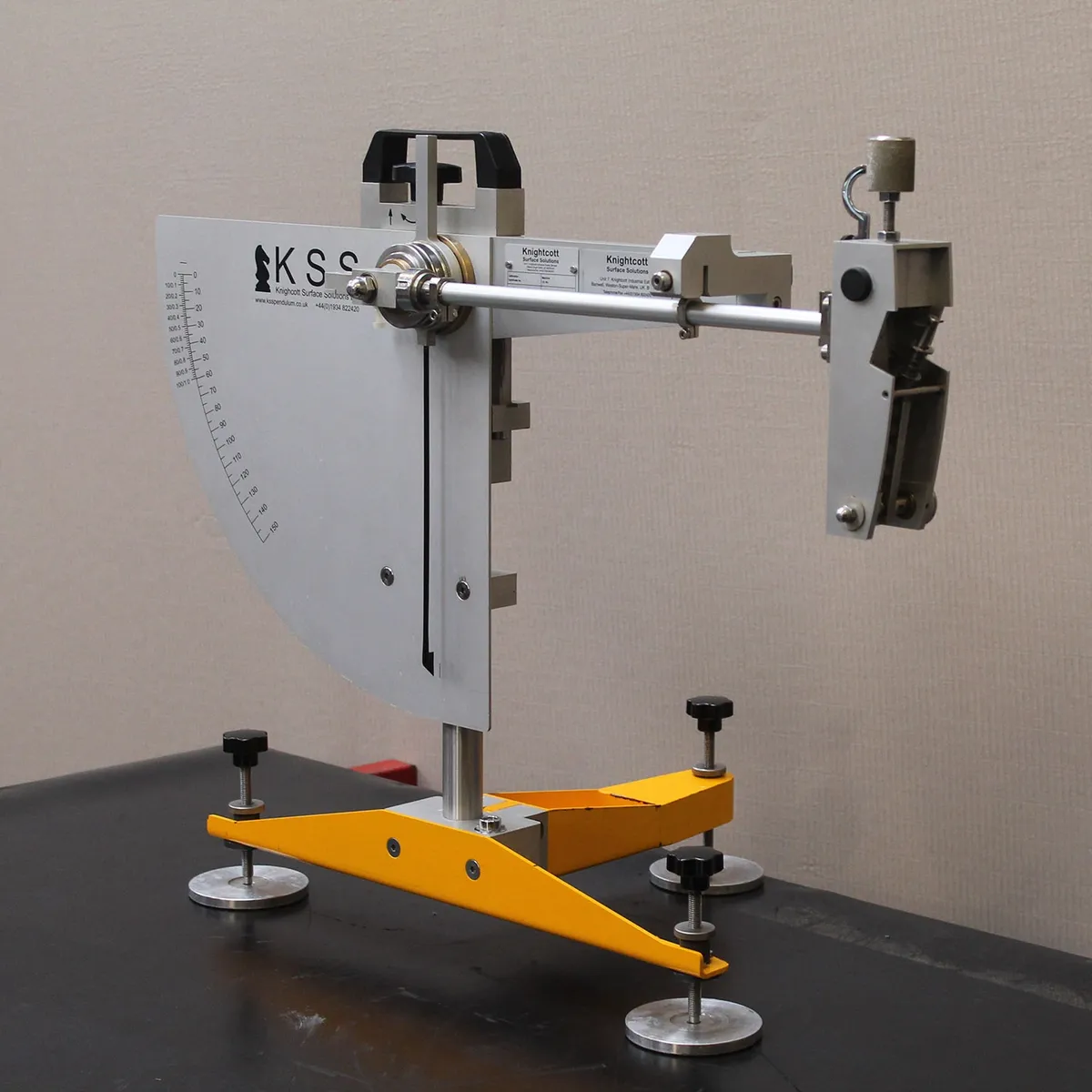
Pendulum slip testing is recognised as one of the most reliable, accurate and robust methods of assessing pedestrian slip risk. Using calibrated equipment and recognised testing procedures, we measure the slip resistance of walking surfaces and provide clear, easy-to-understand results.

Suitable for:
- Internal floor surfaces
- External walkways
- Entrance areas
- Ramps
- Stairways
- Retail environments
- Commercial buildings
- Public spaces
Typical reasons for testing:
- Concerns about slippery floors
- Risk assessment reviews
- Health and safety audits
- Verification of floor performance
- Due diligence requirements
- Slip Incident investigations
Periodic slip risk monitoring
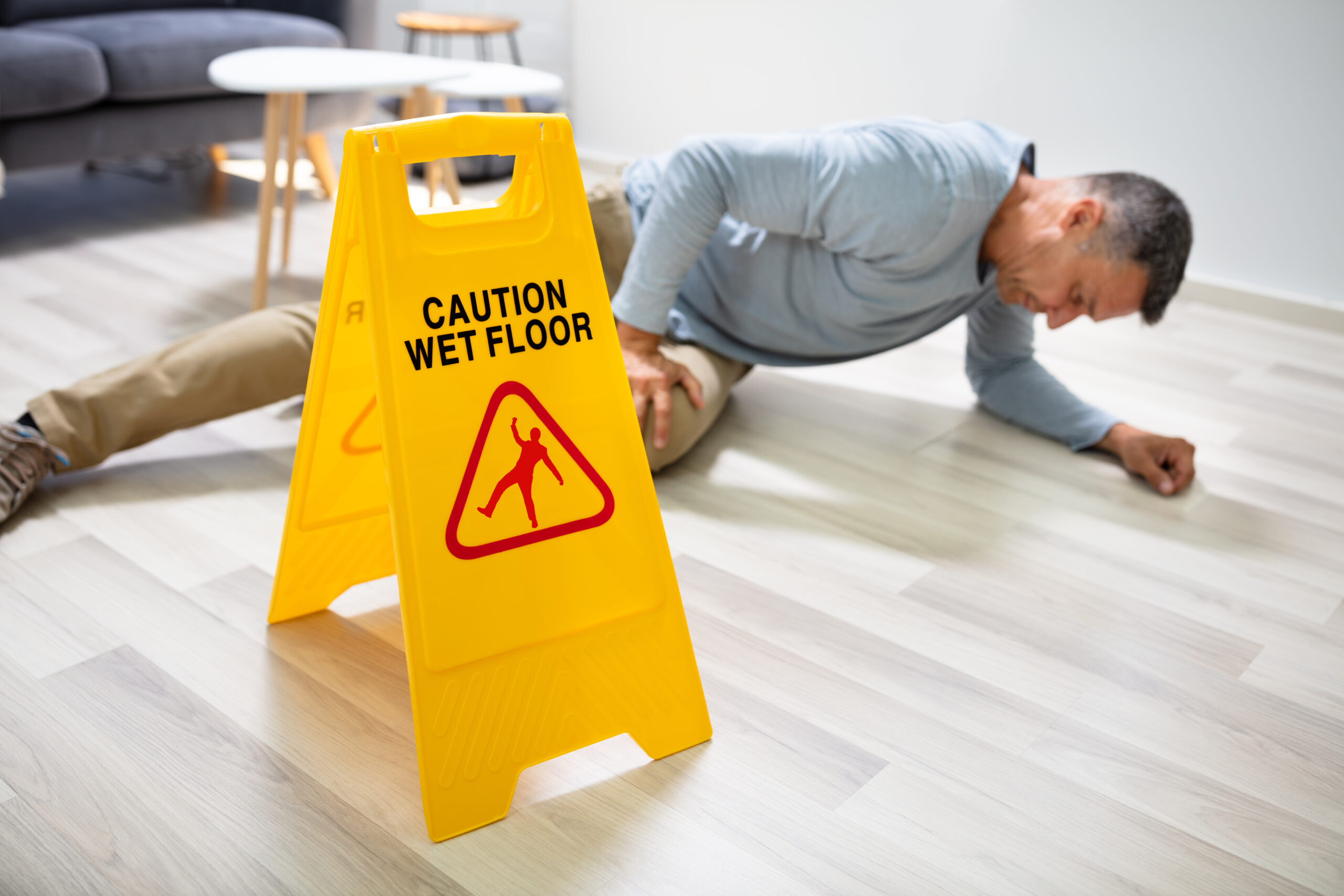
Slip resistance can change over time. Wear, contamination, cleaning methods, weather exposure and general usage can all affect the slip performance of a surface. A floor that performed well when installed may not provide the same level of slip resistance several years later.
Periodic monitoring helps organisations maintain confidence in the ongoing safety of their pedestrian surfaces and provides objective evidence that floor performance is being reviewed as part of a structured risk management process.
Monitoring programmes can be tailored to individual facilities and may include annual, bi-annual or project-specific testing.
This service is particularly valuable for:
- Shopping centres
- Healthcare facilities
- Schools and universities
- Hotels and leisure facilities
- Manufacturing plants
- Public buildings
- Apartment developments
- Local authorities
Benefits include:
- Early identification of deteriorating surfaces
- Support for ongoing risk assessments
- Evidence of proactive safety management
- Verification that cleaning and maintenance practices remain effective
- Reduced likelihood of incidents and associated claims
- Better planning of maintenance and replacement programmes
Regular monitoring provides reassurance that pedestrian surfaces continue to perform as intended and helps organisations demonstrate a commitment to maintaining safe environments for employees, visitors and the public.
Construction & handover testing
Flooring that looks suitable may not always provide the level of slip resistance required for its intended use. Independent testing before project handover can help identify issues before occupation and reduce the risk of future disputes.

Suitable for:
- Main contractors
- Developers
- Flooring contractors
- Architects
- Design teams
- Building owners
Benefits include:
- Independent verification of floor performance
- Evidence for project handover
- Reduced risk of remedial works after occupation
- Increased confidence for clients and building owners
Slip risk assessments
Slip resistance test results are most valuable when used as part of an organisation’s wider slip risk assessment process. By combining objective test results with an understanding of how the surface is used, organisations can better identify hazards, prioritise actions and demonstrate a proactive approach to managing pedestrian safety.

Incident investigation support
Where a slip incident has occurred, independent testing can help establish the slip resistance characteristics of the surface involved.
Objective measurement can assist:
- Employers
- Property owners
- Facility managers
- Insurers
- Solicitors
- Loss adjusters
Reports provide information regarding surface performance and will assist ongoing investigations
Post-treatment verification
Anti-slip treatments, coatings and revised cleaning regimes are often introduced to improve floor safety.
Testing before and after treatment provides objective evidence of whether the intervention has delivered the intended improvement.
This service is commonly used for:
- Anti-slip treatments
- Floor coatings
- Deep cleaning programmes
- Maintenance interventions
- Surface refurbishment projects
Typical sectors we support
Commercial property
Office buildings, business parks and mixed-use developments.
Healthcare
Hospitals, healthcare facilities, clinics and care homes.
Hospitality
Hotels, restaurants, leisure centres and visitor attractions.
Public sector
Local authorities, public buildings and community facilities.
Retail & shopping centres
Entrances, malls, circulation routes and customer areas.
Education
Schools, colleges and university campuses.
Industrial & manufacturing
Factories, warehouses and production facilities.
Residential & property management
Apartment developments, communal areas and managed properties.
What you receive
Every project includes a professional report which will include:
- Site details
- Surface descriptions
- Test locations
- Pendulum Test Values (PTV)
- Wet and/or dry test results
- Site photographs
- Risk interpretation
- Summary findings
- Practical recommendations
Reports are designed to be clear, concise and suitable for both technical and non-technical audiences.